Robotic surgical systems are continuously advancing with features such as more precise movements, greater range of motion, and 3D visualization. Artificial intelligence algorithms are used to optimize surgical planning, perform real-time data analysis during surgery, and support the surgeon’s decision-making process. Compared to traditional open surgery, robotic surgery is performed with smaller incisions, resulting in less pain and faster recovery for patients. It causes less bleeding and reduces the risk of blood loss. Patients are often discharged from the hospital more quickly.
Robotic surgery is utilized in various surgical fields. Some of the most common procedures include:
Prostate Surgery
Treatment for conditions such as prostate cancer or benign prostatic hyperplasia.
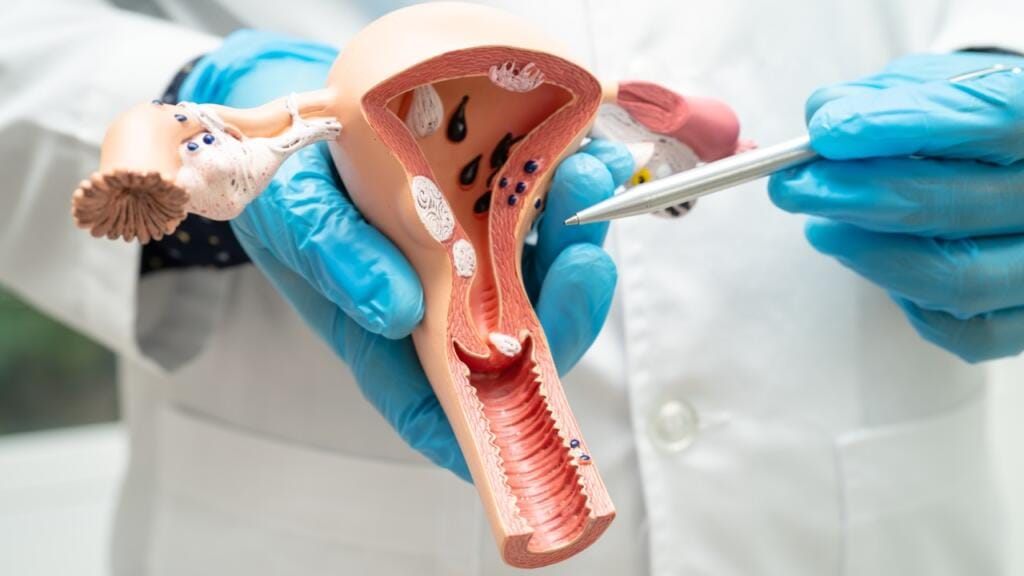
Uterine Surgery
Treatment for uterine fibroids, endometriosis, or uterine cancer.
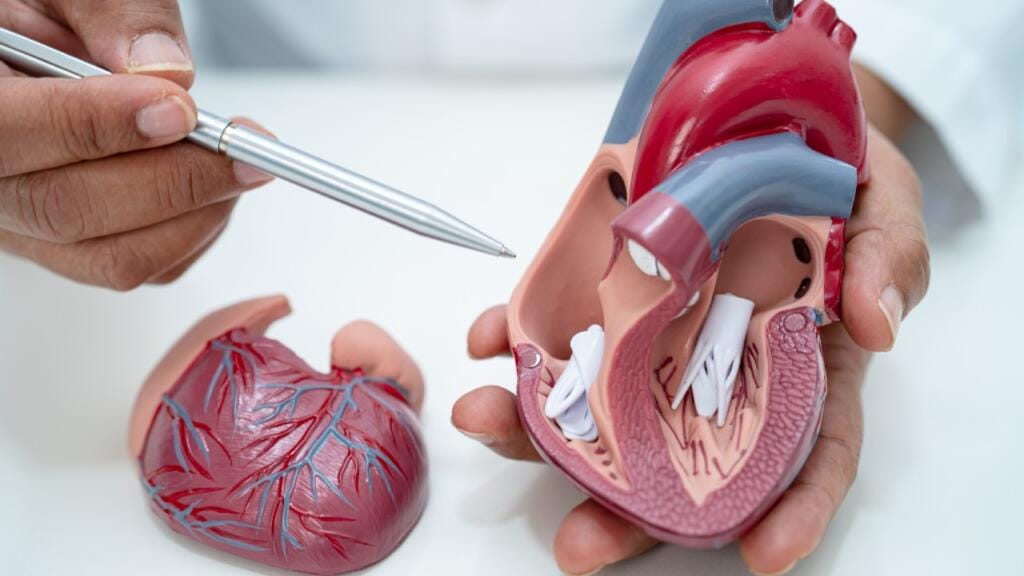
Heart Surgery
Procedures like heart valve surgeries or coronary bypass surgery.
Urological Surgery
Surgeries involving organs such as the kidneys, bladder, or prostate.
Colorectal Surgery
Surgeries of the colon and rectum.