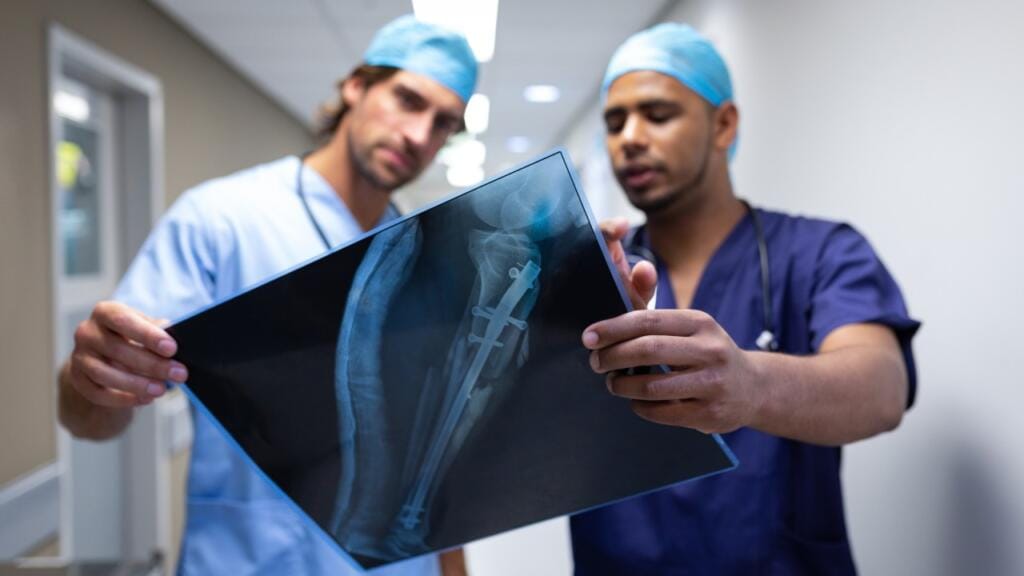
Cardiovascular surgery involves the surgical treatment of diseases in the heart and vascular system. Various types of surgeries are performed in this field, determined by the type of disease, the patient’s overall health, and other factors.
The table below compares some commonly performed cardiovascular surgeries.
| Surgery Type | Technological Advancements | Procedure | Benefits | Recovery Process |
|---|---|---|---|---|
| Coronary Bypass Surgery (CAB) | Laparoscopic methods, robotic surgery, hybrid procedures. | Using healthy vessels to bypass blocked coronary arteries. | Reduction of chest pain, decreased risk of heart attack, improved quality of life. | 4-6 weeks |
| Heart Valve Replacement/Repair | Development of artificial valves, minimally invasive techniques. | Removal or repair of a damaged heart valve, replacement with an artificial or biological valve. | Relief from symptoms like shortness of breath and fatigue, increased life expectancy. | 4-6 weeks |
| Aortic Aneurysm Surgery | Endovascular stent graft placement, open surgery. | Repair or replacement of an enlarged aorta. | Reduced risk of aortic rupture, increased life expectancy. | 4-6 weeks (longer for open surgery) |
| Peripheral Artery Disease Surgery | Endovascular stent placement, bypass surgery. | Opening or bypassing blocked or narrowed peripheral arteries. | Relief from pain, prevention of non-healing wounds, increased walking distance. | 2-4 weeks |