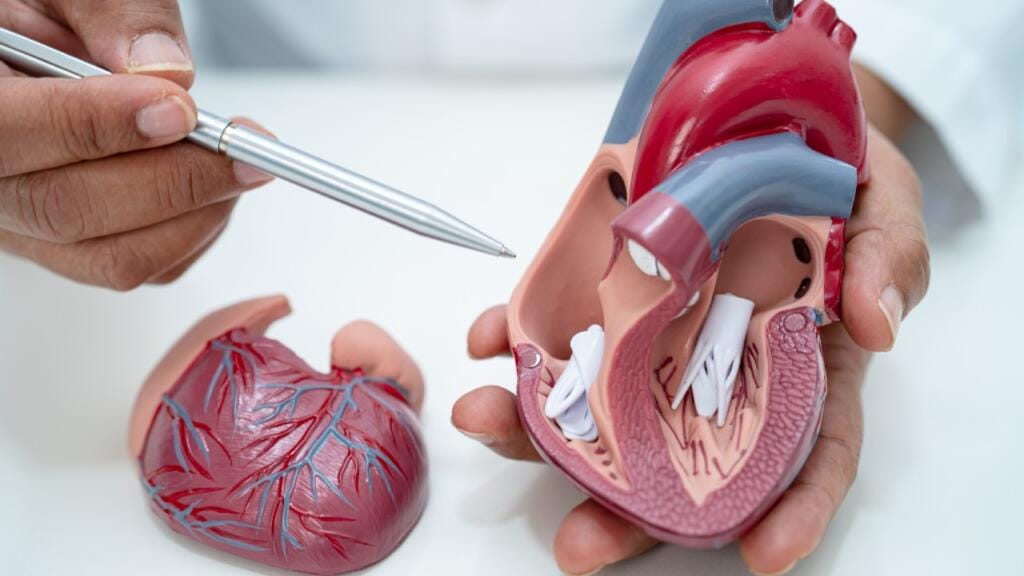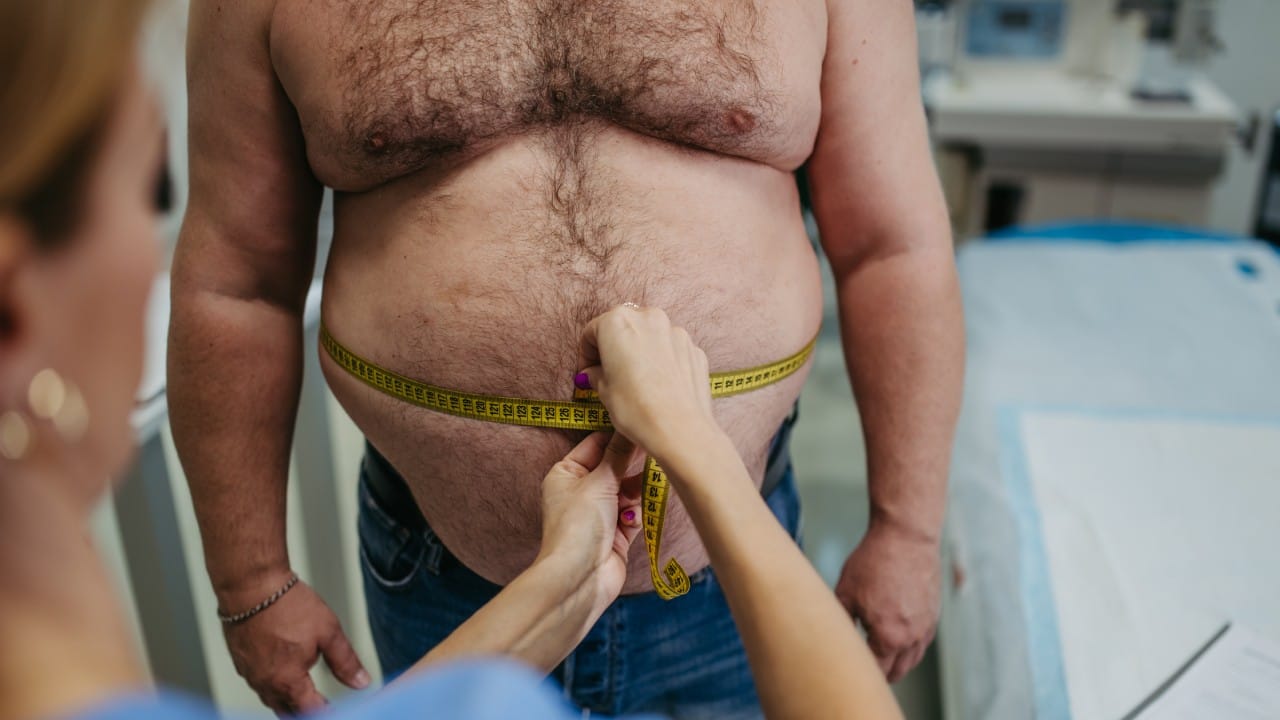
Obesity surgery methods vary based on the individual’s health condition and weight loss goals.The table below compares commonly preferred methods in terms of technological advancements, procedures, benefits, and recovery times.
| Method | Technological Advancements | Procedure | Benefits | Recovery Process |
|---|---|---|---|---|
| Sleeve Gastrectomy | Made less invasive with laparoscopic methods. Robotic surgery enables more precise procedures. | A large portion of the stomach is removed, creating a small tube-shaped stomach. | Rapid weight loss, improvement in comorbid conditions like type 2 diabetes and hypertension. | 2-4 weeks |
| Stomach Botox | Performed endoscopically. | A non-surgical, endoscopic weight loss procedure involving the injection of botulinum toxin (Botox) into stomach muscles. | Ideal for moderate weight loss and patients seeking a less invasive option. | Immediate |
| Gastric Balloon | Balloons made from various materials are placed in the stomach endoscopically. | Reduces stomach volume to provide a feeling of fullness. | Short-term weight loss, no surgical intervention. | 1-2 days |
| Gastric Bypass | Performed laparoscopically. | A portion of the stomach and a segment of the small intestine are reconnected. | Rapid and permanent weight loss, improvement in comorbid conditions like type 2 diabetes and hypertension. | 4-6 weeks |
| Gastric Banding | Reduces stomach volume with an adjustable band. | Performed laparoscopically. | Weight loss, helps regulate eating habits. | 2-4 weeks |