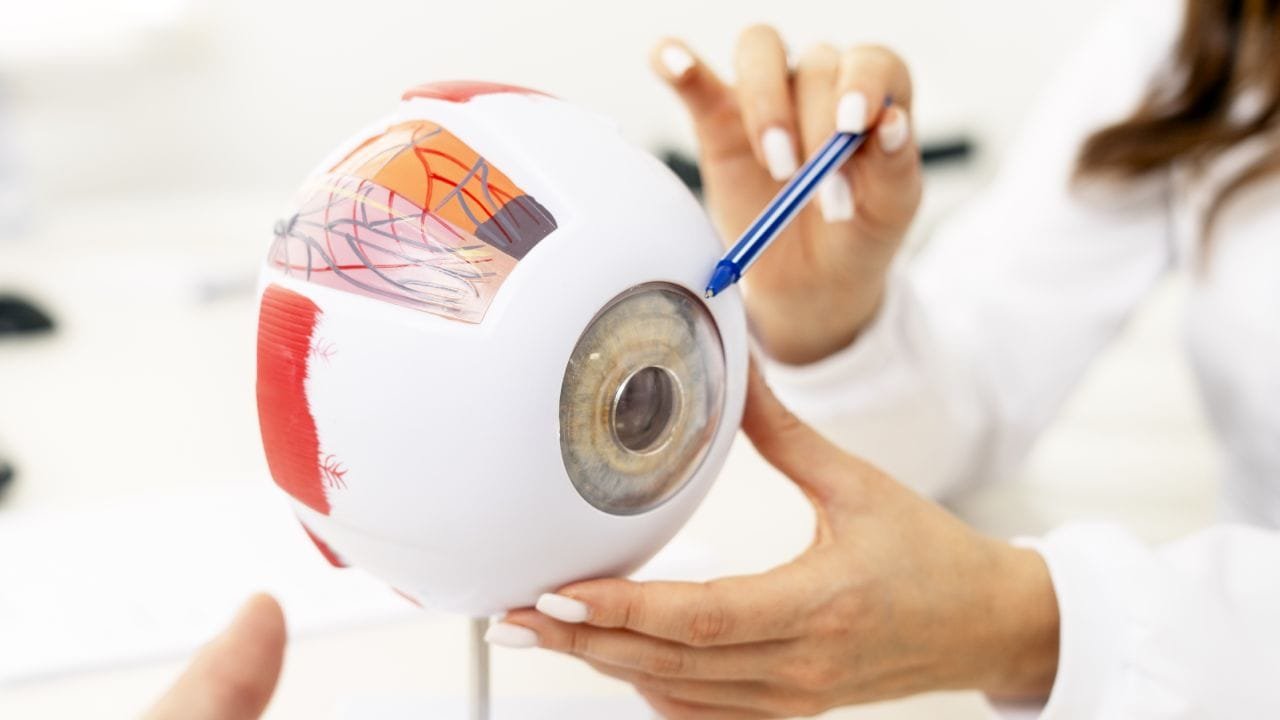
Eye health issues can significantly impact quality of life. Two important surgical procedures used to address these problems are LASIK and cataract surgery. Both involve the structure or function of the lens in the eye but differ in purpose and method. LASIK is used to treat refractive errors that arise at a young age. It is performed on the cornea. Cataract surgery is applied for lens cloudiness caused by aging, eye trauma, or certain diseases. It is a procedure performed on the lens.
| Feature | Technological Advancements | Procedure | Benefits | Recovery Process |
|---|---|---|---|---|
| LASIK (Laser-Assisted In Situ Keratomileusis) | Femtosecond laser, excimer laser | The upper layer of the cornea is lifted, reshaped with a laser, and repositioned. | Correction of refractive errors like myopia, hyperopia, and astigmatism; freedom from glasses and contact lenses. | Short recovery period, return to daily life within a few days |
| Cataract Surgery | Phacoemulsification lenses, ultrasound devices | The cloudy lens is removed and replaced with an artificial lens. | Eliminates blurred vision, prevents double vision, improves quality of life. | Rapid vision improvement, full recovery within a few weeks |
| Common Points | Intraocular surgery, computer-assisted systems | Local anesthesia, intraocular surgery | Provides clear vision, enhances independence. | Temporary blurred vision for the first few days, use of eye drops |